
Service draft

Reactive Power Capability

Reactive power capability affects voltage control, grid compliance, transformer loading, cable charging, and equipment scope.

RenSolv helps projects choose a practical reactive power strategy before expensive design choices become hard to change.

What we assess

  • Reactive capability at the point of connection.
  • Voltage control strategy and plant control modes.
  • Generator, inverter, transformer, and cable reactive duty.
  • Need for shunt reactors, capacitor banks, SVC, or STATCOM.
  • Operating margin across normal and constrained network conditions.
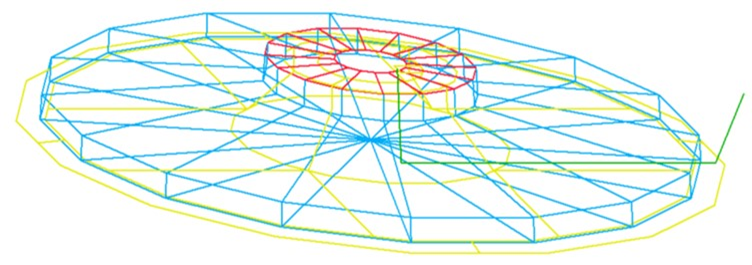
Reactive power compliance voltage-time diagram

What this helps decide

  • Whether plant capability is enough on its own.
  • Where compensation equipment should sit.
  • How much dynamic reactive support may be needed.
  • Whether the proposed design is likely to satisfy G99 or grid code expectations.

How RenSolv approaches it

  • We build the reactive power picture from the connection point back into the plant.
  • We test credible operating points, not just a single best-case snapshot.
  • We look for a solution that is compliant, buildable, and not over-specified.

Common project triggers

DNO or transmission feedback on reactive power capability.

Long cable circuits or high charging reactive power.

Uncertainty over STATCOM, SVC, reactor, or capacitor sizing.

Discuss your reactive power capability or voltage control requirement with a RenSolv specialist engineer.

Book your free 30-minute consultation today.

Book your free 30-minute consultation